

EDTech- Digital Classrooms
What is Smart class room?
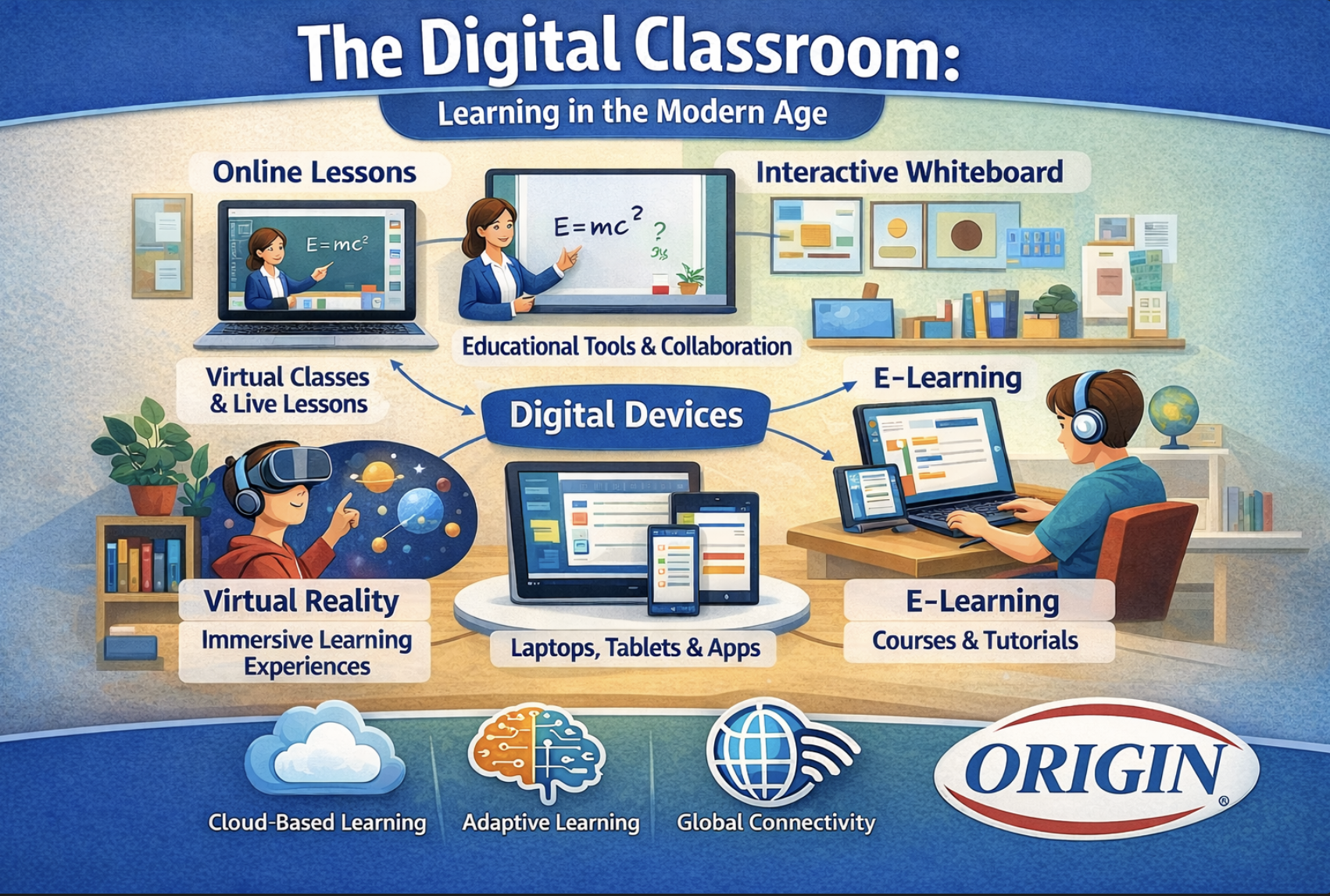
A digital classroom is a learning environment that integrates technology in the classroom to enhance the educational experience. Think Computers, Tablets, interactive whiteboards, Speech reinforcement, Video conferencing, Lecture recording and educational software, all working together to create a dynamic and stimulating space for Students.
Core Equipments
- Interactive whiteboard or projector: Replaces traditional whiteboards and can be a large interactive flat panel, an interactive whiteboard, or a simpleprojector.
- Student devices: Laptops, tablets, or Chromebooks for individual or group work and accessing digital content.
- Audio-visual systems: Speakers and microphones for clear audio especially for the teacher to be heard and for recording lectures.
- Digital podium: A central station that often includes a computer, touch screen, and microphones.
Supporting Technology
- High-speed internet: A stable and fast internet connection is crucial for cloud access and online resources.
- Educational software: Includes learning management systems (LMS), classroom management tools, and other educational applications.
- Document camera/Visualizer: A device that allows teachers to project physical documents or objects onto a large screen.
- CPU and peripherals: A computer (like a desktop or mini-computer) with a keyboard and mouse.
Option & Special Equipment
- Student response system: Tools that allow teachers to get real-time feedback from students.
- Lecture recording system: Equipment and software for recording lectures for later viewing.
- Smart camera: An AI-powered camera that can automatically track the teacher as they move around the room.
- Printer: For printing documents as needed.
- UPS (Uninterruptible Power Supply): To ensure equipment remains on during power outages
Difference between Smart Classroom Vs Traditional Classroom
| Feature | Digital Classroom | Traditional Classroom |
| Learning Environment | Focuses on technology integration. Creates a dynamic and interactive space. | Relies on physical resources like textbooks and whiteboards. Offers a structured learning environment. |
| Engagement | Utilizes interactive elements like simulations, games, and polls to keep students actively involved. | Primarily teacher-centred with lectures and discussions. Student participation may vary. |
| Accessibility | Offers learning materials and resources online, allowing students to learn at their own pace and revisit concepts anytime, anywhere. | Relies on physical resources that are limited to classroom hours. |
| Differentiation | Teachers can leverage technology to tailor lessons to individual learning styles using a variety of digital tools and resources. | Catering to individual needs can be challenging with limited resources. |
| Collaboration | Students can work together virtually on projects and share ideas, fostering teamwork and communication across geographical boundaries. | Collaboration primarily happens in-person during group activities or discussions. |
| Information Access | Provides access to a vast library of information beyond textbooks through online resources and educational platforms. | Relies on textbooks and teacher-provided materials as the primary source of information. |
| Global Interaction | Enables virtual field trips, guest lectures, and real-time communication with students and experts worldwide. | Limited opportunities for interaction beyond the physical classroom walls. |
| Role of the Teacher | Shifts from a knowledge transmitter to a facilitator and guide, guiding students through digital resources and activities. | Teacher acts as the primary source of information, delivering lectures and leading discussions. |
Learning Management System
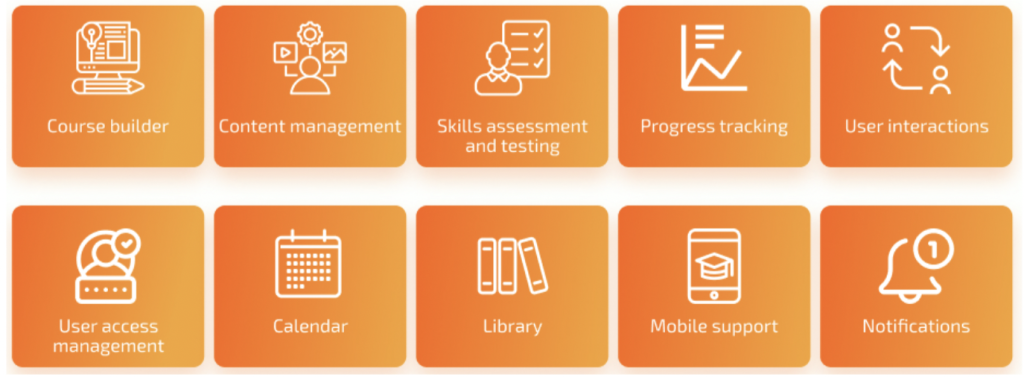
In 2026, the LMS has evolved from a simple file repository into an intelligent, connected ecosystem that supports blended learning, personalized instruction, and real-time data analytics.
Key Roles of an LMS in a Smart Classroom
- Centralized Hub: It organizes all course materials, assignments, and grades in one location, replacing fragmented digital tools and physical paperwork.
- Hardware Integration: In 2026, many smart classroom devices (like interactive flat panels and tablets) come with a preinstalled LMS, allowing teachers to “plug and play” digital content seamlessly.
- Data-Driven Insights: Modern LMS platforms use predictive analytics to track student engagement and performance in real-time, alerting teachers to “at-risk” students who may need immediate intervention.
- Hybrid & Remote Support: It ensures that students attending in person or remotely access the same content, recordings, and collaborative tools (like discussion forums and live chats)
- Administrative Automation: The system automates routine tasks such as attendance tracking, grading multiple-choice quizzes, and sending reminders for upcoming deadlines.
Key Trends
Key Trends in Smart Classrooms for 2025-2026
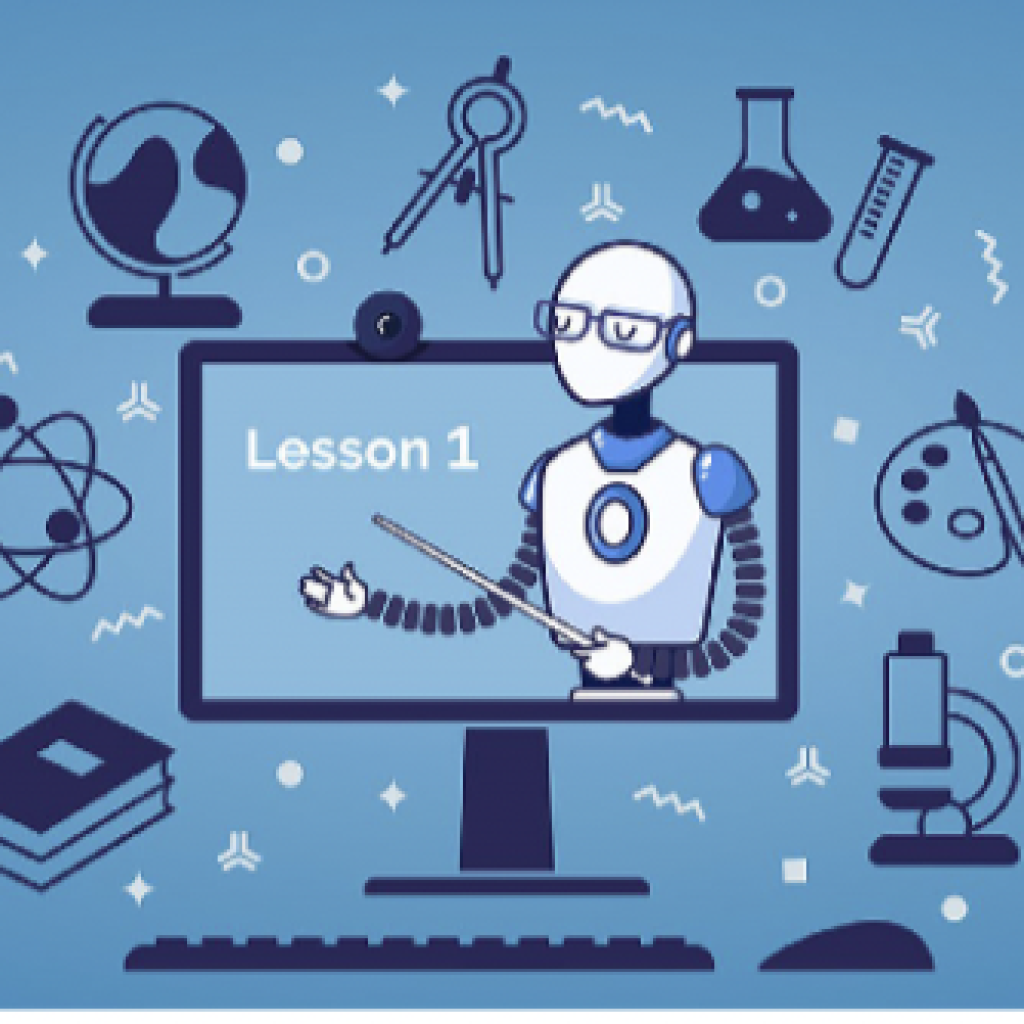
Artificial Intelligence (AI) Integration: AI is no longer just a futuristic concept but a standard tool for personalized learning. Systems now use AI for automated grading, real-time student performance analytics, and intelligent tutoring that adapts to each student’s pace.
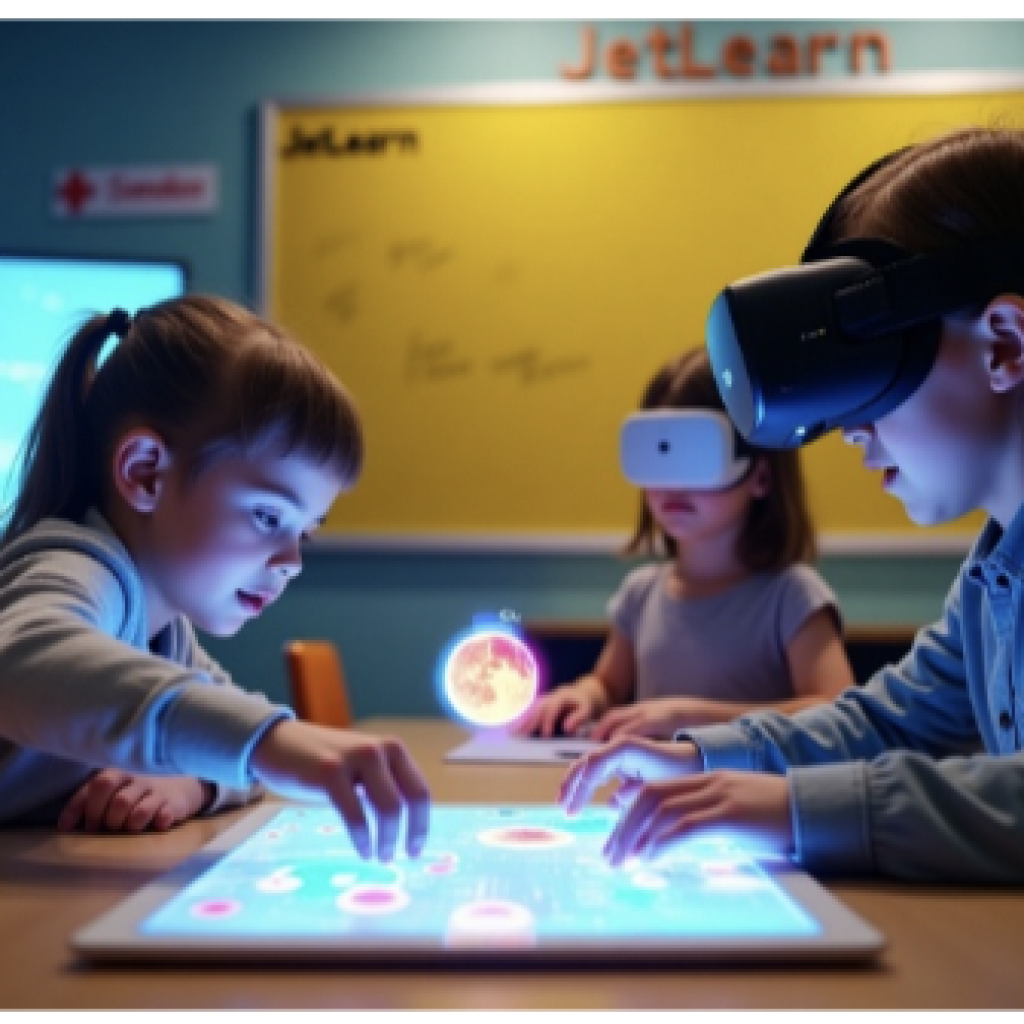
Immersive Learning (AR/VR): Augmented and Virtual Reality are transforming static lessons into interactive experiences, allowing students to virtually visit historic sites or visualize complex 3D biological models right from their desks.
- Gamification: Educational platforms are increasingly using game mechanics—like badges, levels, and leaderboards—to boost student engagement and motivation.
- Internet of Things (IoT) & Smart Management: Classrooms are becoming “aware” through IoT sensors that automatically adjust lighting, temperature, and air quality for optimal learning conditions. Smart attendance systems and connected devices streamline classroom management. LMS – learning Management System software for complete Institutional Class and course centralized Management.
- Hybrid and Collaborative Models: Technologies like 4K interactive flat panels (IFPDs) and high-quality audio-visual systems support seamless transitions between in-person and remote learners, fostering real-time collaboration regardless of location.
- Assistive & Inclusive Technology: A major shift toward equity is seen in the adoption of speech-to-text, screen readers, and smart hearing aids, ensuring that students with diverse needs have equal access to the curriculum
Institutions that have Adopted Smart classrooms
While many institutions are adopting digital tools, several “pioneer” institutes are now functioning with a fully integrated smart ecosystem—meaning AI, IoT, and immersive tech are embedded into their daily operations and curriculum.
1. Leading “AI-First” Schools & Universities
- Universal AI University (Karjat, India): Recognized as India’s first AI University, it integrates AI across all research, curriculum automation, and even AI-driven placement assistance.
- Santhigiri Vidhyabhavan (Kerala, India): Launched as India’s first AI school, focusing heavily on technology-driven pedagogy from the primary level.
2. Institutions with Fully Integrated Smart Campuses
- Dhirubhai Ambani International School (Mumbai): A Microsoft Showcase School featuring a Wi-Fi-enabled campus, multimedia projectors, and smart edtech in every classroom to support personalized learning.
- IIT Hyderabad: Leads in curriculum innovation with India’s first BTech in Artificial Intelligence and advanced digital recording studios for inclusive, hybrid education.
- IIT Mandi, IIT Ropar, and IIM Bodhgaya: These prestigious institutes have recently deployed comprehensive smart AV solutions and lighting controls to create fully automated classroom environments.
- Mayo College (Ajmer) & Lawrence School (Lovedale): Historic schools that have fully modernized by partnering with platforms like Extra marks to integrate AI-based analytics and digital modules into their 100+ year-old campuses.
3. Schools using Specific Integrated Tech
- SSRVM Schools: These institutions utilize AI to track performance and adapt lessons in real-time, alongside 3D virtual labs for immersive science experiments.
- Canvas International School
(Maharashtra): Uses advanced Digital white Boards with built-in management systems (DMS) for seamless teacher-student broadcasting and experiential learning.
Planning or want to know more about AV in Digital classrooms? Reach out to us to discuss, design and deliver solutions that make collaboration effortless.
Contact us info@origintechserve.in
#AVIntegration #digitalclassroom #EdTech #DigitalLearning #RemoteLearning #EduTwitter #BlendedLearning #HybridTeaching #ClassroomTech #OnlineLearning #CollaborationTechnology #AVDesign #DigitalWorkplace#HybridCollaboration #OriginTechserve #AVIndustry #FutureOfWork